
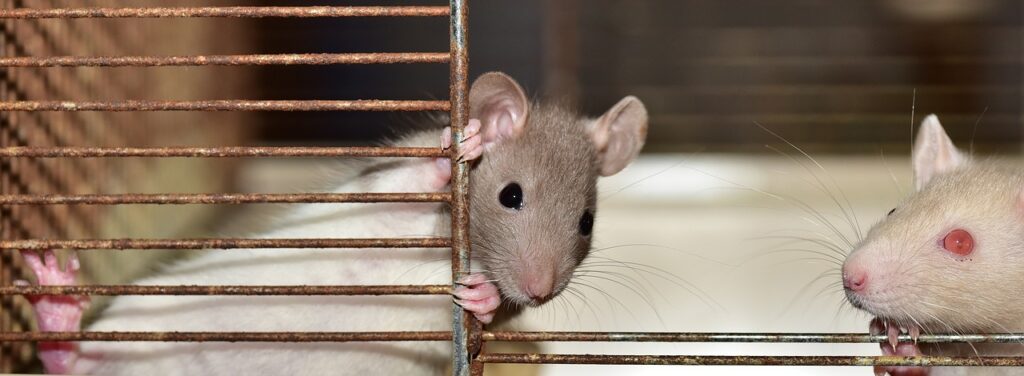
Pet Rat keeps biting
If your pet rat keeps biting you, it can be concerning and may leave you wondering about the underlying reasons behind their behaviour.

If your pet rat keeps biting you, it can be concerning and may leave you wondering about the underlying reasons behind their behaviour.
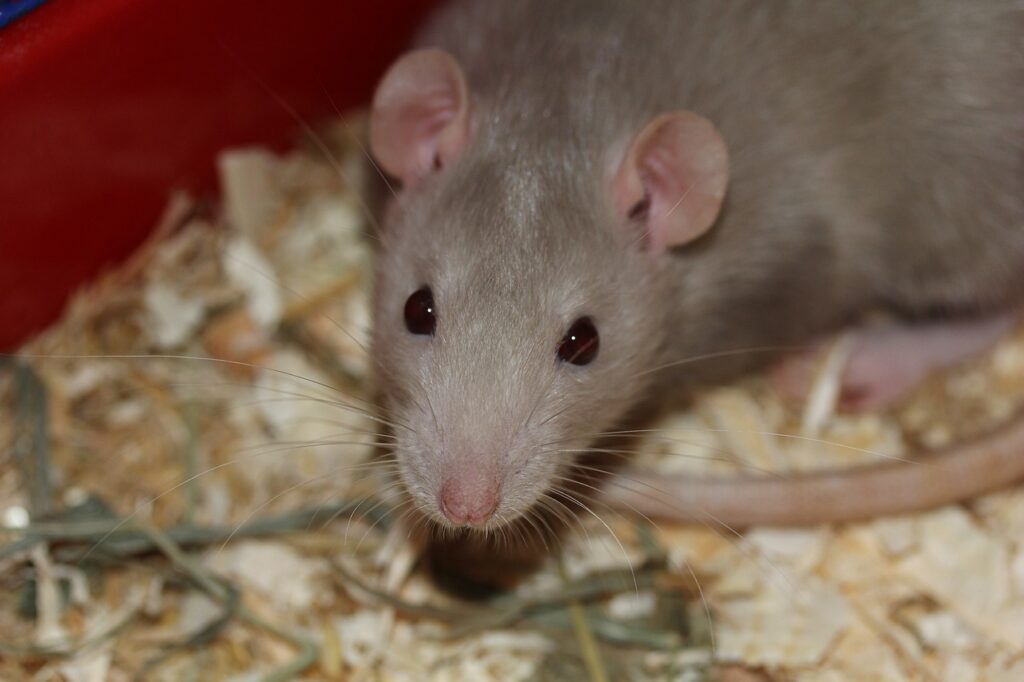
While various materials can be used to create a dig box, the use of soil raises questions about its safety and benefits for our furry friends. In this article, we will delve into the topic and explore whether soil is a suitable choice for a rat dig box

Rats are intelligent, curious, and highly interactive pets that require mental and physical stimulation to thrive.
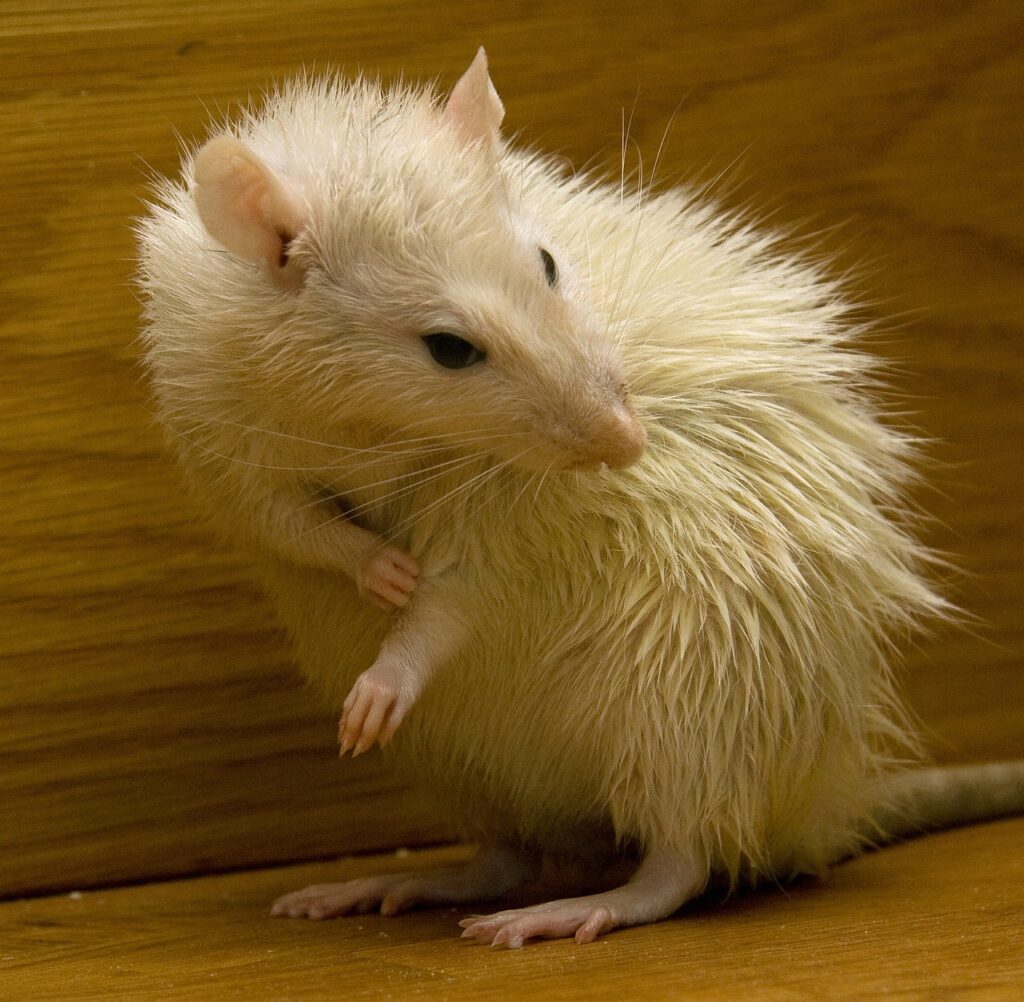
Bathing a pet rat may not be a common practice for many pet owners, as rats are naturally clean animals that groom themselves regularly. However, there are instances when a bath becomes necessary, such as when your rat gets into something sticky or dirty. Properly bathing your pet rat can help maintain its hygiene and overall well-being.

While rats are known to be versatile eaters, not all foods are safe for them to consume. As a responsible pet owner, it is crucial to be aware of what are toxic foods for Rats or harmful to pets.
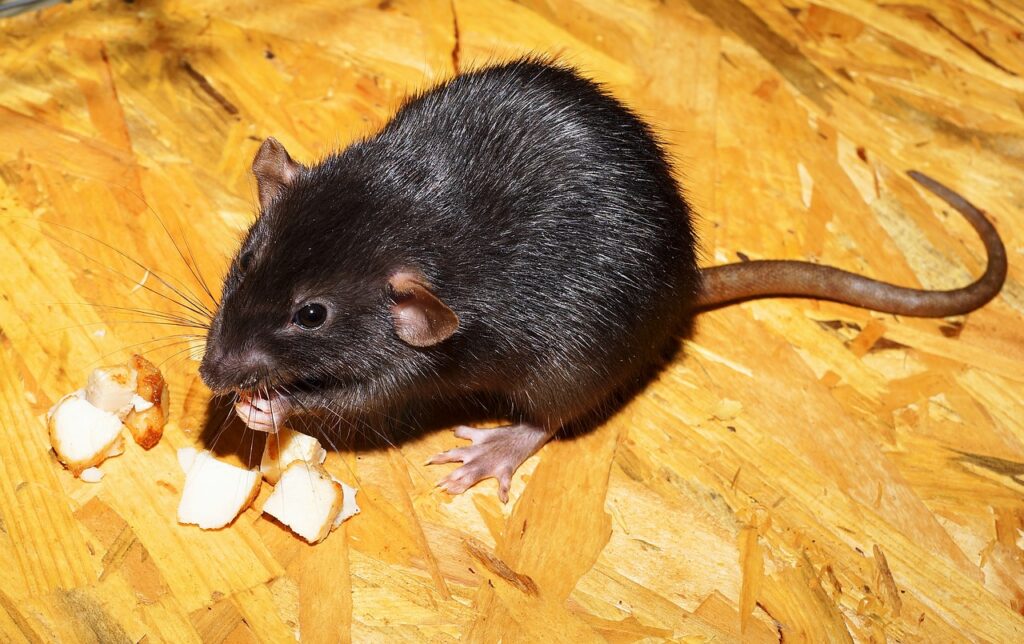
Yes, it is possible to teach a pet rat to fetch, although it may require patience and consistent training. Rats are highly intelligent and can be trained to perform a variety of tricks and behaviours, including fetching objects.
Rat Target Training Guide to Target Train Rats Rat target training involves teaching rats to interact with specific targets or objects for various purposes, such as research, entertainment, or pet training. This guide will provide you with a step-by-step process to train rats to engage with targets, enabling you to harness their natural abilities and intelligence. Remember, patience, consistency, and positive reinforcement are key elements for successful rat target training. Materials Needed: Rats Target objects (small toys, buttons, or other objects) Treats or rewards (rat-friendly snacks like dried fruits or specially designed treats) Clicker or a distinct sound-making device (optional but helpful) Step 1: Acclimation Allow your rat(s) to become familiar with their training environment and develop trust with you. Spend time near their cage, talking softly, and offering treats to establish a positive association. Step 2: Target Introduction Introduce the target object you will use to target train you Rat(s). Place it near their cage or in a neutral area where they can investigate it at their own pace. The target should be small enough for the rat to interact with easily. Step 3: Target Association Pair the target object with positive reinforcement. Each time the rat approaches or touches the target, immediately provide a treat and praise. This association helps the rat understand that engaging with the target brings rewards. Target Train Rats Step 4: Shaping Behaviour Once the rat understands the target-reward association, begin shaping specific behaviours. For example, if you want the rat to touch the target with its paw, wait for any paw movement toward the target and reinforce it with treats and praise. Gradually increase the criteria, rewarding only when the paw touches the target directly. Step 5: Adding Verbal and/or Visual Cues Introduce a verbal cue or a hand signal to indicate when you want the rat to interact with the target. Use the cue just before presenting the target, reinforcing the association between the cue and the behaviour. Be consistent with your cues and give them clearly. Step 6: Generalisation To completely target train your rats, practice the target training in different environments to help the rat generalise the behaviour. Gradually introduce distractions, varying locations, and other factors that might affect the rat’s focus. Reinforce the behaviour consistently during these sessions. Step 7: Advancing the Training Once the rat has mastered basic target interactions, you can expand the training to include more complex tasks. For example, you can teach the rat to press buttons or solve simple puzzles by interacting with different targets. Break down complex tasks into smaller steps and reinforce each step along the way. Step 8: Consistency and Patience Consistency is crucial throughout the training process. Regular, short training sessions are more effective than infrequent, long sessions. Be patient and understanding; rats have their own learning pace, and forcing or punishing them will hinder progress. Step 9: Gradual Phasing out of Rewards Once your rat consistently performs the desired behaviour, begin reducing the frequency of treats, gradually phasing them out. However, occasional rewards are important to maintain motivation and reinforce the learned behaviour. Step 10: Maintenance and Enrichment To ensure long-term retention of your newly trained behaviour, periodically reinforce the training through short refresher sessions. Additionally, provide an enriched environment with stimulating toys, social interaction, and mental challenges to keep your rat’s mind sharp. Though these steps you should be able to target train rats without an issue https://www.youtube.com/watch?v=oN9dGeK7yzI As an Amazon Associate, Bakersfieldrats.com earn from qualifying purchases.

While it may not come naturally to a rat to sit on command like a trained dog, they can be trained through positive reinforcement techniques.Teaching a pet rat to sit and stay requires patience, consistency, and positive reinforcement. Here’s a step-by-step guide to help you train your pet rat:
Train Rats to complete Obstacle courses Step 1: Create the Agility Course Set up a designated area for the agility course. Start with a flat surface, and gradually introduce hoops and ramps. Use sturdy materials such as plastic or lightweight wood. Make sure everything is securely anchored to ensure the safety of the rats. Step 2: Familiarize the Rats Allow the rats to explore the agility course without any expectations. This will help them become comfortable with the new environment and gain confidence Step 3: Target Training Begin by teaching the rats to touch a target stick, such as a small wooden dowel or a clicker. Present the target stick and reward the rat with a treat or a clicker sound when it touches the stick with its nose. Repeat this until the rats consistently touch the target stick. Step 4: Introduce the Hoop Hold the hoop near the target stick and encourage the rat to touch the stick while it goes through the hoop. Gradually move the target stick further away, so the rat has to pass through the hoop to reach it. Reward the rat with treats or clicker sounds when it successfully goes through the hoop. Step 5: Shaping Behaviour Break down the behaviour of going through the hoop into smaller steps. For example, reward the rat for approaching the hoop, then reward it for putting its head through the hoop, and finally reward it for passing its whole body through the hoop. Gradually increase the criteria for reinforcement as the rat becomes more comfortable and proficient. Step 6: Introduce the Ramp Place the ramp in the agility course and encourage the rats to climb it. Use the target stick to guide them onto the ramp and reward them for their progress. Start with a low angle and gradually increase the incline as the rats become more skilled. Step 7: Combine Hoops and Ramps Once the rats are comfortable with both the hoops and the ramps individually, combine them in different configurations. For example, place a hoop at the end of a ramp, so the rats have to climb the ramp and then go through the hoop. Reward the rats for successfully completing the combined obstacles. Step 8: Practice and Refinement Continue practising the agility course regularly to reinforce the rats’ skills. Gradually increase the difficulty by adding more hoops, higher ramps, or other obstacles. Maintain a positive and encouraging atmosphere during training sessions. Step 9: Generalise the Skills Once the rats are proficient in the agility course, generalise their skills by practising in different environments. This will help them transfer their training to new locations and situations. Remember to always prioritize the safety and well-being of the rats during the training process. Keep training sessions short and enjoyable, and never force the rats to perform if they seem stressed or unwilling. With patience and consistent training, you can teach your rats to navigate hoops and ramps on an agility course. As an Amazon Associate, Bakersfieldrats.com earn from qualifying purchases.
Individual responsibility: Any action you take based on the information provided on this blog is at your own risk. You are solely responsible for the decisions and consequences resulting from following the advice provided.